

Outstanding expenses are those expenses which have been incurred during the current accounting period and are due to be paid, however, the payment is not made. Most credit card issuers provide access online and through a mobile app. You can also call the card issuer’s customer service phone line to get your outstanding balance. Usually, credit cards list the issuer’s customer service phone number on the back of the card. As mentioned earlier, this outstanding expense is a type of personal account with a credit balance and this is treated as a liability for the business. This is recorded on the liability side of the balance sheet of a business.
Where Do Outstanding Expenses Belong on a Balance Sheet?
In addition to the balance sheet, the other primary financial statement (the P&L or Profit and Loss Statement) also is balanced against the balance sheet, generally by the use of a “plug” such as imputed interest. In banking and accounting, the balance outstanding checks is the amount of money owed (or due) on an account. The main purpose of a balance sheet is to give the interested parties an idea of the company’s financial position in the market, in addition to its display of what the company owns and owes.
Terms Similar to Outstanding Check
Money, goods, or services may be used in exchange to pay off liabilities over time. An expense that is unpaid after it is due is considered outstanding and it is treated as a liability (current) for the business. On the other hand, a low DPO indicates that a company is paying its bills to suppliers quickly, which may suggest that the company is managing its cash flow effectively.
- For example, a company may be extended a payment period of 30 days; if it usually pays invoices after 10 days, the company could have been earning interest on the funds for an additional 20 days before remitting payment.
- Due to the high importance of cash in operating a business, it is in the company’s best interests to collect receivable balances as quickly as possible.
- Accounting inconsistencies may arise if outstanding checks are not reported and tracked in the appropriate manner.
- In this situation, the payee will need to ask the payer for a replacement payment from a valid checking account, and may demand compensation for the NSF fee.
- On the other hand, a low DSO is more favorable to a company’s collection process.
your small business.

This is why your (or company) bank accounts need to be reconciled with the bank statement. There is a discrepancy between what your checkbook or accounting system says you have in your account and what the bank reports on your monthly statement. One of the main differences are the outstanding checks that have been https://www.bookstime.com/ recorded in the accounting system but haven’t been recorded by the bank. Implementing a collection strategy is crucial when dealing with past-due or outstanding invoices. This involves setting clear guidelines for following up on unpaid bills and establishing a timeline for each step of the collection process.
Furthermore, reaching out to the client by phone after a certain number of days can be an impactful way to address a past-due situation. A personal touch through a phone call demonstrates your commitment and concern regarding the overdue payment. It allows you to have a direct conversation about the status of the invoice and any challenges the client may be facing that are hindering timely settlement. Reason – The logic of why payment due for an expense is treated as a liability by the business is because the benefit in exchange for the payment is already received. It is the obligation and responsibility of the business to pay them off.
What Is an Outstanding Expense in Accounting?
- According to the guidelines of accrual accounting—the most used method for businesses of any size—accrued expenses are entered on the balance sheets as current liabilities.
- This differentiation has significant implications for cash flow and business operations.
- Checks that remain outstanding for long periods of time cannot be cashed as they become void.
- After a couple years, one of the investors wants to retire his shares and leave the company.
- An accounts receivable aging report is a crucial tool for tracking outstanding invoices.
Card issuers assign specific credit limits (spending limits) on your cards. Your outstanding balance helps determine how much much credit (money left to spend) you have available. To find out how much you have left, simply subtract your outstanding balance from your credit limit.
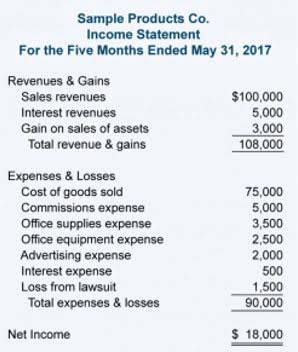
- The Outstanding Expense is represented on the liability side of the balance sheet of a business.
- Keep reading to find out what an outstanding balance is and how it affects you.
- By using electronic payment systems, a company can streamline its payment processes and make payments more quickly and efficiently.
- As a result, the bank reconciliation for the current month will again show the outstanding check amount as a subtraction from the bank statement balance.
- Given the above data, the DSO totaled 16, meaning it takes an average of 16 days before receivables are collected.
- Card issuers assign specific credit limits (spending limits) on your cards.
Outstanding expenses appear within the Current Liability section of the Balance Sheet. Make sure you’re getting the best account for you by comparing savings rates and promotions. This Outstanding Expense is an expense that is due but has not been paid as of the due date. For example, a company can see whether its DPO is improving or worsening over time and make the appropriate course of action accordingly. In another version, the average value of beginning AP and ending AP is taken, and the resulting figure represents the DPO value during that particular period. Ariel Courage is an experienced editor, researcher, and former fact-checker.

What is the difference between an Outstanding Expense and Accrued Expense?
- An invoice is a bill that outlines the total amount of money owed for goods or services provided.
- This approach helps ensure timely income and fosters goodwill with your clients by demonstrating your willingness to reward prompt payments.
- It results in accounts payable (AP), a key accounting entry that represents a company’s obligation to pay off the short-term liabilities to its creditors or suppliers.
- In many cases, a company may want to be on the good graces of a supplier to potentially receive goods earlier.